
Destination
History You Can Walk Through
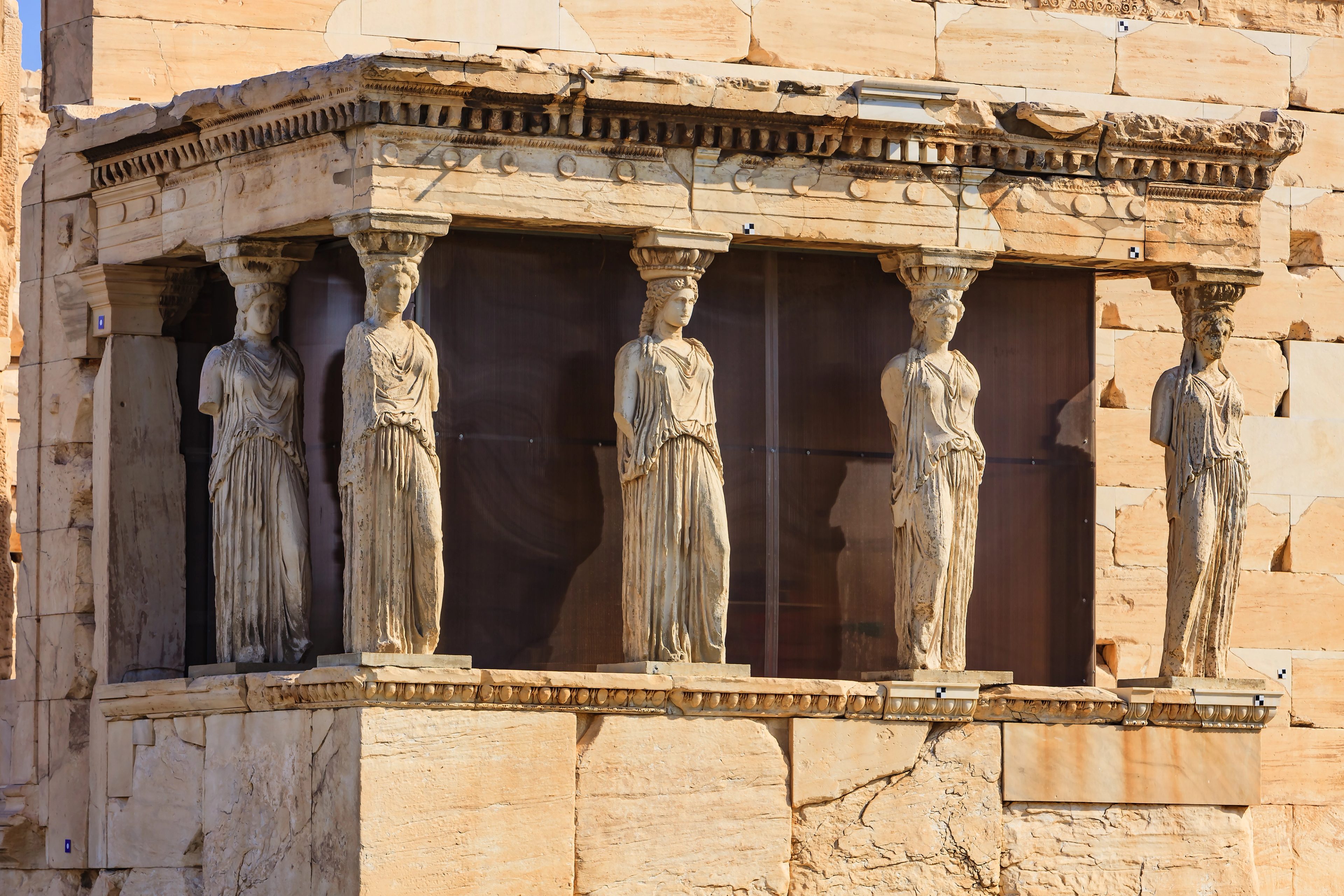
Athens is where the Western world began, and it never lets you forget it — not through grandeur, but through sheer presence. The Acropolis sits above the city on its rock, visible from almost everywhere, and the Parthenon has been standing there for nearly twenty-five centuries. You turn a corner, glance up, and there it is: the single most influential building in history, glowing gold at sunset above a city that simply carries on with its day beneath it. Few places make the weight of history feel so casual, or so close.
But Athens is not a museum, and that surprises people. It is a living, slightly chaotic, deeply likeable Mediterranean city — loud, warm, and full of energy. Beneath the ancient monuments, the old neighborhoods climb the hillsides in a tangle of narrow lanes: Plaka with its cafés and bougainvillea, Monastiraki with its flea market and rooftop bars facing the Acropolis, Anafiotika, a pocket of whitewashed island houses hidden in the center of the capital. The ancient and the everyday share the same streets here, and the city is all the better for it.
The history, of course, is unmatched. The Acropolis and its museum, the ancient Agora where democracy was born, the Temple of Olympian Zeus, the first modern Olympic stadium — all walkable, all extraordinary. But what stays with visitors is often simpler: the food and the way of life. Long dinners in tavernas that spill onto the pavement, plates of grilled fish and meze passed around, local wine, and the famous Greek warmth that treats every guest as one of their own. Athens eats late, talks loudly, and lingers at the table, and you quickly learn to do the same.
It is also the natural gateway to the rest of Greece. The port of Piraeus sends ferries out to the islands daily, and many travelers use Athens as the start of a journey that ends somewhere in the Aegean. But the city rewards more than a passing night — give it a few days, climb a hill at sunset, eat where the locals eat, and it reveals a character all its own.
Athens is at its best in spring and autumn, when the weather is warm but gentle and the light is beautiful. Summers are hot and busy, and winters are mild, quiet, and well suited to museums and long lunches.
Athens doesn’t dazzle you the moment you arrive the way some capitals do. It works on you slowly — a view here, a meal there, a sense of standing where so much of the world began — until you realize it has quietly become one of your favorites.